
Getting electricity to a new property is one of the important stages of building or developing a site. Whether you are constructing a new home, creating a subdivision, upgrading a commercial property, or developing another type of site, connecting the property to the electricity network requires careful planning.
A Grid Connection is more than simply bringing a cable to a building. Depending on the project, it can involve applications, network coordination, site preparation, trenching, conduits, electrical work, inspections, and final connection. Understanding these stages early can help property owners and developers plan their projects with fewer surprises.
For Auckland projects, Civil Connection provides end-to-end support covering civil works, network coordination, and electrical connection requirements.
What Is a Grid Connection
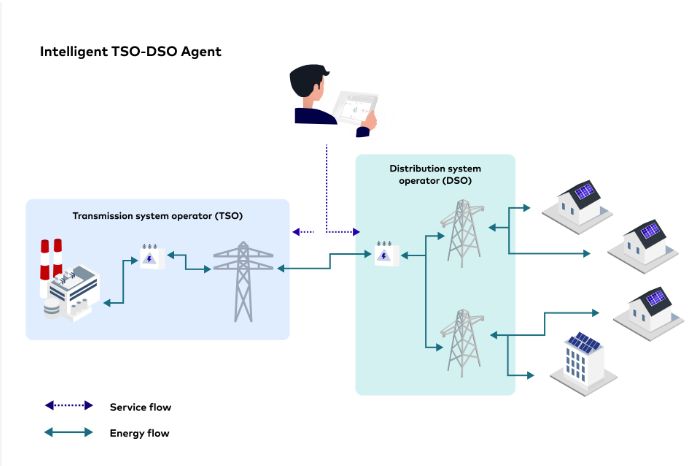
A grid connection is the link between a property and the local electricity distribution network. It allows electricity to be supplied to a home, business, development, or other property once the necessary work and approvals have been completed.
The exact requirements depend on factors such as the property’s location, electricity demand, existing infrastructure, connection type, and site conditions. A small residential project may have very different requirements from a commercial development or multi-lot subdivision.
For this reason, it is useful to understand the project requirements before construction work begins.
Who May Need a New Connection
New electricity connections are commonly required for.
- Newly constructed homes
- Property subdivisions
- Multi-unit residential developments
- Commercial buildings
- Industrial sites
- Rural properties
- Developments requiring additional electrical capacity
An existing property may also need electrical infrastructure upgrades when its power requirements change significantly.
Planning the connection at an early stage gives builders and developers more time to deal with approvals, site access, excavation, and coordination with other contractors.
What Does the Process Involve
Every project is different, but a typical connection process can involve several stages.
1. Initial Project Assessment
The first step is understanding the property and its electricity requirements. The site location, proposed building, expected load, existing services, and preferred cable route may all need to be considered.
This stage can highlight potential issues before physical work begins.
2. Network Application and Coordination
The appropriate electricity network provider needs to assess the proposed connection. In Auckland, Vector coordination can form an important part of the process.
The application and approval requirements can vary depending on the project. Having someone familiar with the process can make communication and project scheduling easier.
3. Civil Works and Trenching
Civil work is an important part of many electricity connection projects. Depending on the site, this can include excavation, trenching, conduit installation, bedding, backfilling, and surface reinstatement.
The trench route also needs to account for existing underground utilities and site conditions. Poor planning at this stage can cause unnecessary delays or additional work later.
Civil Connection explains that civil works may also involve traffic management and coordination with Auckland Transport where work affects public areas.
4. Electrical Installation
Once the required groundwork is ready, electrical infrastructure can be installed. Depending on the project, this may involve cables, switchboards, metering equipment, and other components required for the connection.
Electrical work should be completed by appropriately qualified professionals and in accordance with applicable requirements.
5. Inspection and Final Connection
Before electricity can be supplied, required inspections, testing, and approvals need to be completed. The final connection is then coordinated with the electricity network.
Good communication between the civil contractor, electrician, network provider, builder, and property owner can help keep this stage organised.
Why Civil Works Matter
The electrical side of a project often receives the most attention, but the groundwork underneath it is equally important. Trenching and conduit installation need to be planned correctly so that cables can be installed safely and the work can meet relevant requirements.
Ground conditions can also affect the work. Hard surfaces, restricted access, existing underground services, and difficult excavation areas may require additional planning.
Completing civil works properly can help reduce rework and make the later electrical stages more straightforward.
How to Avoid Common Delays
A few practical steps can make the process easier.
Start planning early. Don’t leave the electricity connection until the last stage of construction.
Check existing services. Underground water, telecommunications, gas, and other utilities may affect the proposed route.
Understand project requirements. Knowing what civil and electrical work is required helps create a more realistic budget and timeline.
Coordinate contractors. Multiple companies may be involved, so clear communication is important.
Allow time for approvals. Network assessments, inspections, and other approvals can affect project schedules.
Why Choose Civil Connection
Civil Connection works with homeowners, builders, developers, and businesses on Auckland electricity connection projects. Its services include Vector coordination, quote reviews, civil works, project management, and final connection coordination.
Having one team coordinate different parts of the project can make the process easier to manage. Instead of dealing separately with every stage, clients can have a central point of contact for the civil and connection work.
Final Thoughts
Getting electricity connected to a new property requires more planning than many people initially expect. A Grid Connection involves several important stages, from the first site assessment through civil works, electrical installation, inspections, and final network coordination. Each stage plays a role in completing the project safely and successfully.
Starting early and working with experienced professionals can help identify potential problems before they become expensive delays. For Auckland homeowners, builders, and developers, Civil Connection provides practical support for managing the different stages involved in getting a property connected to the electricity network.
Read For more Info : Click Here