
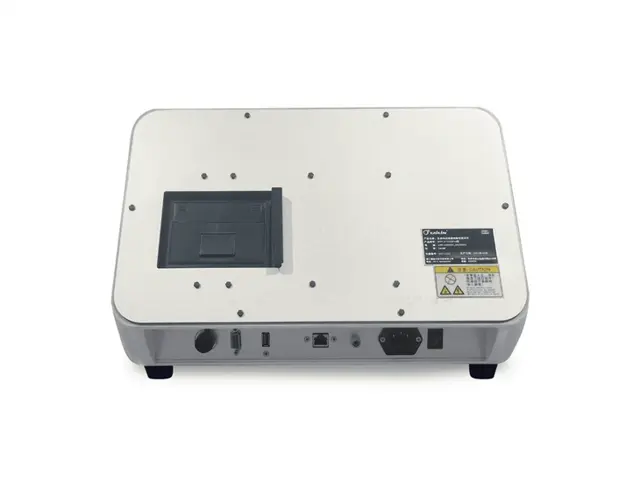
Pharmaceutical manufacturing requires strict quality control to ensure that medicines are safe, effective, and free from harmful contamination. Filtration is one of the most important processes used to remove unwanted particles and microorganisms from pharmaceutical products. However, even a high-quality filter cannot guarantee product safety if it becomes damaged, develops a leak, or fails during operation. This is where GMP Filter Integrity Testers play an important role.
These specialized instruments help pharmaceutical manufacturers verify whether filters are functioning correctly and maintaining their required performance. By checking filter integrity before or after filtration, manufacturers can identify potential problems and reduce the risk of contamination. Their use also supports Good Manufacturing Practice (GMP) requirements and helps maintain reliable pharmaceutical production processes.
What Are GMP Filter Integrity Testers?
GMP Filter Integrity Testers are instruments designed to evaluate the physical integrity of filtration systems used in pharmaceutical manufacturing. They help determine whether a filter has defects, damaged membranes, or leaks that could affect its filtration performance.
These instruments are commonly used with sterilizing-grade filters in applications involving injectable medicines, biological products, pharmaceutical water, and other sterile manufacturing processes.
Rather than relying only on visual inspection, filter integrity testing measures specific physical properties of a filter. The results help manufacturers determine whether the filtration system meets established acceptance criteria.
GMP-compliant testing instruments also provide controlled testing procedures and documentation features that support pharmaceutical quality management systems.
Why Filter Integrity Testing Is Important in Pharmaceutical Manufacturing
Filtration plays a major role in preventing contamination during pharmaceutical production. A damaged filter may allow unwanted microorganisms or particles to pass into the finished product.
Regular integrity testing helps manufacturers identify filtration problems and take corrective action before product quality is affected.
Some important benefits include:
- Contamination prevention: Testing helps identify damaged filters that may compromise filtration performance.
- Product quality: Reliable filters support consistent manufacturing conditions and product cleanliness.
- Patient safety: Appropriate filtration controls help reduce the risk of microbial contamination in sterile products.
- Regulatory compliance: Documented testing supports applicable GMP and pharmaceutical quality requirements.
- Process reliability: Routine integrity checks help manufacturers identify equipment problems and maintain filtration performance.
For these reasons, filter integrity testing is an essential part of many pharmaceutical contamination control strategies.
How Do GMP Filter Integrity Testers Work?
Most pharmaceutical filter integrity testers use established physical testing methods to evaluate membrane performance. These methods generally measure the movement of gas through a wetted filter or the pressure required to produce a specific flow.
The main testing methods include:
1. Bubble Point Test
The bubble point test identifies the pressure at which gas begins passing through the largest pores of a liquid-wetted membrane at a continuous rate.
During testing, the filter is first wetted with an appropriate liquid. Gas pressure is then gradually increased until the specified bubble point is reached.
A result below the established acceptance limit may indicate a damaged membrane, incorrect wetting, or another integrity problem.
2. Diffusion Flow Test
The diffusion flow test measures the amount of gas passing through a wetted filter membrane below its bubble point pressure.
A small quantity of gas naturally moves through the liquid-filled membrane pores under pressure. The instrument measures this flow and compares it with the specified acceptance limit.
Excessive diffusion may indicate a potential defect or filtration problem.
3. Pressure Hold Test
In this method, the filter system is pressurized to a predetermined level, and the instrument monitors pressure changes over a defined period.
Unexpected pressure loss may indicate leakage or a possible integrity issue. Proper test configuration is important because connections and system components can also influence the results.
4. Water Intrusion Test
Water intrusion testing is commonly used for hydrophobic membrane filters. The method measures water movement through a membrane under controlled pressure conditions.
It is particularly useful when testing filters that are not intended to be wetted by water during normal operation.
Applications of GMP Filter Integrity Testers
GMP Filter Integrity Testers are used in different pharmaceutical manufacturing environments where filtration performance is critical.
1. Sterile Pharmaceutical Manufacturing
Sterilizing-grade filters are widely used to remove microorganisms from suitable liquid pharmaceutical products. Integrity testing helps verify that these filters remain suitable for their intended purpose.
2. Injectable Drug Production
Injectable medicines require strict contamination control because they are administered directly into the body. Filter integrity testing supports the reliability of sterilizing filtration processes used during production.
3. Biotechnology and Biopharmaceutical Manufacturing
Biological products, vaccines, and other biopharmaceutical preparations may require specialized filtration processes. Integrity testing helps manufacturers monitor filter performance throughout production.
4. Pharmaceutical Water Systems
Filtration systems used in pharmaceutical water treatment require appropriate monitoring. Integrity testing can help identify potential membrane damage and maintain confidence in filtration performance.
5. Cleanroom and Aseptic Processing
Filtration is an important part of contamination control in aseptic manufacturing environments. Regular testing helps verify that selected filtration systems continue to perform according to their specifications.
Role of GMP Filter Integrity Testers in Regulatory Compliance
Pharmaceutical companies must follow applicable regulatory requirements to maintain product quality and manufacturing consistency.
Good Manufacturing Practice guidelines emphasize equipment qualification, process control, documentation, and contamination prevention.
Filter integrity testing supports these objectives by providing documented evidence about filter performance.
Depending on the application, manufacturers may need to perform integrity testing before use, after filtration, or at other defined stages of the manufacturing process.
For sterilizing-grade liquid filters, post-use integrity testing is particularly important because it helps confirm that the filter maintained its integrity during the filtration operation.
Testing procedures should be established through appropriate validation and risk assessment. Acceptance criteria must be supported by filter-specific data and suitable regulatory expectations rather than selected arbitrarily.
Factors to Consider When Selecting a GMP Filter Integrity Tester
Choosing the right instrument is important for obtaining accurate and repeatable test results.
Pharmaceutical manufacturers should consider the following factors:
- Testing methods: Select an instrument that supports the integrity testing methods required for the intended filters.
- Measurement accuracy: Reliable pressure and flow measurements are essential for meaningful results.
- Automation: Automated testing can reduce manual errors and improve operational consistency.
- Data management: Electronic records, test reports, and traceability features help support quality documentation.
- GMP suitability: Evaluate software controls, audit trails, user access management, and relevant qualification requirements.
- Ease of operation: Clear instructions and user-friendly interfaces help laboratory and production personnel perform tests correctly.
Regular calibration, preventive maintenance, and operator training are equally important for maintaining instrument reliability.
Best Practices for Reliable Filter Integrity Testing
To obtain dependable results, pharmaceutical manufacturers should follow standardized testing procedures.
First, filters must be wetted correctly when the selected testing method requires wetting. Incorrect wetting can affect pressure and flow measurements.
Second, operators should inspect connections and fittings to identify possible leaks before testing.
Third, instruments should be calibrated and maintained according to established procedures.
Finally, all test results should be properly recorded and reviewed. Any failed integrity test must be investigated through the appropriate quality management process before the affected product or filtration system is released.
Conclusion
GMP Filter Integrity Testers are valuable instruments for maintaining filtration reliability in pharmaceutical manufacturing. By using methods such as bubble point, diffusion flow, pressure hold, and water intrusion testing, manufacturers can identify potential filter defects and evaluate filtration performance.
Their role extends beyond routine equipment checks. They support contamination control, regulatory compliance, manufacturing consistency, and pharmaceutical product safety. When combined with validated procedures, proper maintenance, and accurate documentation, filter integrity testing helps pharmaceutical companies maintain dependable production processes and deliver high-quality medicines.