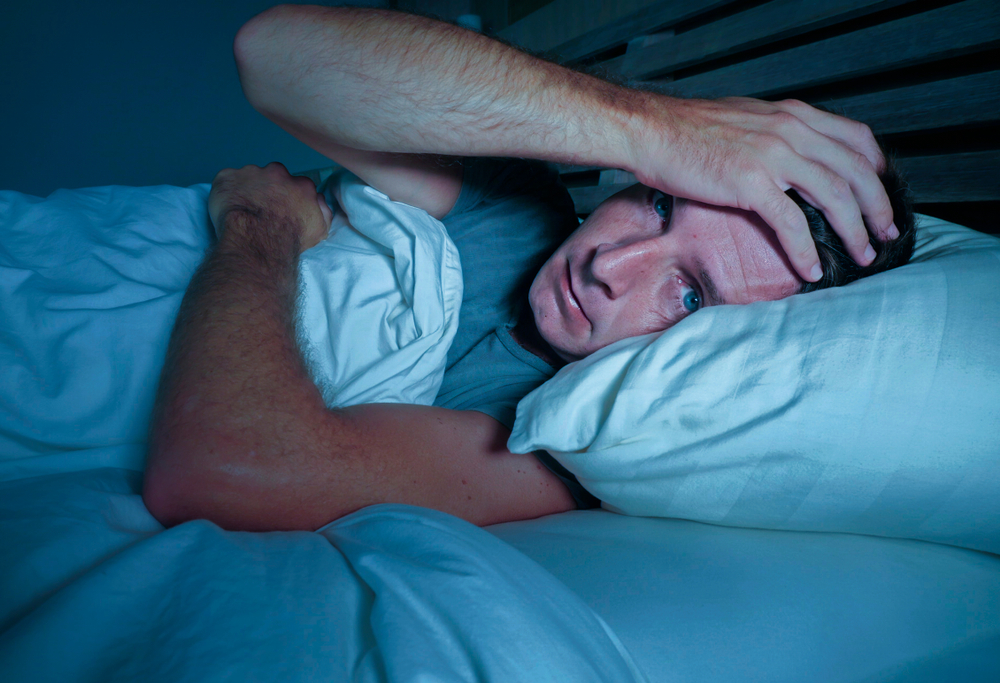
Sleep is supposed to be the most natural form of rest, yet for many people it becomes the most stressful part of the day. Instead of feeling calm at bedtime, they experience tension, racing thoughts, and even fear. This leads to an important question: why some people are afraid to sleep when the body is clearly exhausted and ready for rest.
Sleep anxiety and fear of sleep are more common than most people realize. They are often linked to stress, past experiences, overthinking, or underlying anxiety disorders. The good news is that these patterns can be understood and improved with the right strategies.
What Is Sleep Anxiety and Fear of Sleep?
Sleep anxiety refers to worry or fear about going to sleep or staying asleep. In some cases, it can be strong enough to delay sleep for hours.
Key Features
- Feeling anxious as bedtime approaches
- Difficulty relaxing in bed
- Racing thoughts at night
- Fear of not sleeping or waking up suddenly
- Avoidance of bedtime
This condition can exist on its own or as part of a broader anxiety disorder.
Why Sleep Becomes Something to Fear
Sleep is a vulnerable state. The brain loses conscious control, which can feel uncomfortable for some individuals.
Common Psychological Triggers
- Fear of losing awareness
- Worry about nightmares
- Anxiety about health or safety during sleep
- Fear of sleep paralysis or past sleep experiences
These fears can make the brain associate sleep with danger instead of rest.
Causes of Sleep Anxiety
Sleep anxiety usually develops from a combination of mental, emotional, and physical factors.
Chronic Stress and Overthinking
Stress is one of the strongest contributors.
What Happens
- The mind stays active at night
- Problems feel amplified in silence
- The body remains in alert mode
This prevents natural relaxation.
Past Negative Sleep Experiences
Unpleasant sleep experiences can leave a lasting impression.
Examples
- Severe nightmares
- Sleep paralysis episodes
- Panic attacks at night
The brain may begin to associate sleep with distress.
Generalized Anxiety Disorder
People with anxiety disorders often struggle more at night.
Why It Affects Sleep
- Increased mental activity
- Difficulty shutting off thoughts
- Heightened sensitivity to physical sensations
Sleep becomes another source of worry.
Fear of Not Sleeping
Ironically, worrying about sleep itself makes it harder to sleep.
How It Develops
- One or more bad nights of sleep
- Increased fear of repeating the experience
- Pressure to fall asleep quickly
This creates a cycle of performance anxiety around sleep.
Poor Sleep Habits
Habits can reinforce sleep anxiety.
Common Issues
- Irregular sleep schedule
- Excess screen use before bed
- Working or stressing in bed
These habits confuse the brain’s sleep signals.
Symptoms of Sleep Anxiety
Sleep anxiety affects both the mind and body.
Psychological Symptoms
- Racing thoughts at bedtime
- Fear or dread before sleep
- Difficulty relaxing
- Constant checking of the time
Physical Symptoms
- Increased heart rate
- Muscle tension
- Sweating
- Restlessness
These symptoms can make sleep feel unreachable.
How Sleep Anxiety Affects Daily Life
Poor sleep has a direct impact on daytime functioning.
Common Effects
- Fatigue and low energy
- Difficulty concentrating
- Irritability
- Reduced productivity
- Emotional instability
Over time, lack of sleep can also worsen anxiety itself.
Breaking the Cycle of Sleep Fear
Overcoming sleep anxiety requires both mental and behavioral changes.
Change Your RelationshipWithSleep
The first step is to reduce pressure around sleep.
Helpful Shift in Thinking
- Sleep is a natural process, not a task
- Rest is valuable even without perfect sleep
- One bad night does not define future sleep
This reduces performance anxiety.
Create a Calm Bedtime Routine
A consistent routine helps signal the brain that it is time to rest.
Effective Habits
- Dim lighting before bed
- Reading or calm activities
- Gentle stretching or relaxation
- Avoiding stressful conversations
Routine builds predictability and comfort.
Practice Relaxation Techniques
Relaxation helps calm the nervous system.
Techniques That Work
- Deep breathing exercises
- Progressive muscle relaxation
- Guided meditation
- Visualization of calm scenes
These reduce physical tension and mental activity.
Reduce Screen Exposure
Screens can worsen sleep anxiety.
Why It Matters
- Blue light delays melatonin release
- Mental stimulation increases alertness
- Social media may trigger emotional stress
Avoid screens at least one hour before bed.
Get Out of Bed If You Cannot Sleep
Staying in bed while anxious can reinforce fear.
Better Approach
- Leave the bed after 15 to 20 minutes
- Do a quiet, non stimulating activity
- Return to bed when sleepy
This helps break the association between bed and anxiety.
Also Read: https://regic.net/responsibilities-services-general-practitioner/
Challenge Anxious Thoughts
Thought patterns play a major role in sleep anxiety.
Cognitive Techniques
- Identify unrealistic fears
- Replace them with balanced thoughts
- Remind yourself that sleep will come naturally
This reduces mental pressure.
Improve Sleep Environment
A supportive environment encourages relaxation.
Helpful Adjustments
- Comfortable mattress and pillows
- Cool and quiet room
- Minimal light exposure
- Reduced noise disturbances
A calm environment supports the body’s natural sleep response.
Manage Stress During the Day
Sleep anxiety often reflects daytime stress levels.
Helpful Strategies
- Regular physical activity
- Time management techniques
- Short relaxation breaks
- Talking about worries during the day
Reducing stress early improves nighttime sleep.
When Sleep Anxiety Becomes a Disorder
Occasional sleep worry is normal, but persistent symptoms may indicate a deeper issue.
Warning Signs
- Ongoing difficulty sleeping for weeks
- Severe fear at bedtime
- Panic symptoms related to sleep
- Impact on work or daily life
Professional help may be needed in such cases.
Treatment Options for Sleep Anxiety
Several treatments can help improve sleep and reduce fear.
Cognitive Behavioral Therapy for Insomnia
CBT is one of the most effective treatments.
How It Helps
- Identifies negative sleep beliefs
- Changes thought patterns
- Builds healthier sleep habits
It addresses both thoughts and behaviors.
Anxiety Management Therapy
Therapy helps manage underlying anxiety.
Focus Areas
- Stress reduction techniques
- Emotional regulation
- Coping strategies for worry
This improves both sleep and mental health.
In Some Cases, Medication Support
Medication may be used temporarily in severe cases.
Purpose
- Reduce anxiety levels
- Support sleep initiation
- Stabilize sleep patterns
It is usually combined with therapy.
Long Term Recovery From Sleep Anxiety
Recovery is gradual but very achievable.
What Improves Over Time
- Reduced bedtime fear
- Better sleep consistency
- Lower anxiety levels
- Improved energy and focus
Consistency is key to long term improvement.
Final Thoughts
Sleep anxiety can make bedtime feel like a challenge instead of a relief. It often develops from stress, past experiences, overthinking, or fear based thoughts. Understanding why some people are afraid to sleep is the first step toward breaking this cycle.
With the right techniques, including relaxation, cognitive changes, and healthy sleep habits, it is possible to rebuild a calm and positive relationship with sleep.
If sleep anxiety continues to interfere with daily life, it is important to seek professional help. You can find sleep disorder specialists in Denver Colorado for proper evaluation and treatment.