
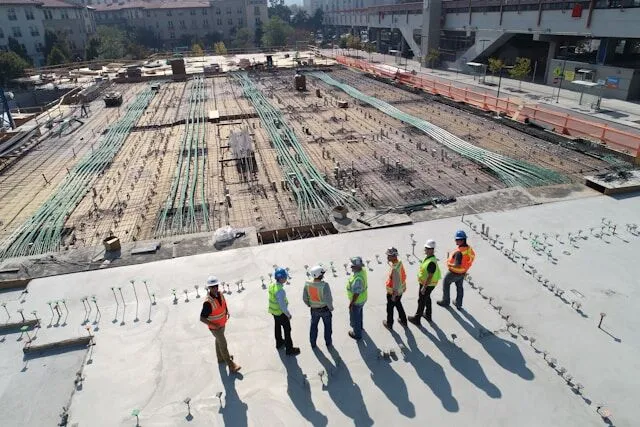
In the fast-paced world of commercial construction, effective project management is the key to success. If you’re a property owner, developer, or a business looking for construction management services, grasping the ins and outs of project management is crucial. This article explores best practices, smart cost-saving strategies, and quality assurance techniques that can help streamline your construction projects and ensure the best possible outcomes.
Understanding Project Management in Construction
At its core, project management in construction is all about planning, coordinating, and executing a project from start to finish. It includes a wide variety of responsibilities like budgeting, scheduling, resource allocation, and ensuring quality control. The main objective is to complete the project on time, within budget, and to the expected quality standards.
Key Elements of Effective Construction Management
1. Thorough Planning
Every successful construction project begins with careful planning. This means setting clear goals, defining the project’s scope, and creating a detailed timeline.
2. Efficient Resource Allocation
Smartly allocating resources—whether it’s labor, materials, or equipment—helps keep the project on track and avoids unnecessary delays.
3. Robust Communication
Ongoing, open communication among everyone involved—architects, engineers, contractors, and clients—is vital for addressing issues quickly and keeping the project moving forward.
4. Risk Management
Spotting potential risks early on and crafting strategies to mitigate them can save you from costly disruptions and keep the project running smoothly.
Cost-Saving Strategies in Construction
When it comes to construction, managing costs effectively is just as important as managing the actual build. Here are some strategies to help you save without skimping on quality:
- Value Engineering: This process involves assessing the project design to find areas where costs can be trimmed without compromising functionality or quality.
- Adopting Technology: Using construction management software can simplify processes, enhance accuracy, and cut down on administrative expenses.
- Bulk Purchasing: Buying materials in larger quantities can lead to significant discounts and lower overall costs.
- Efficient Labor Management: Organizing labor schedules wisely and minimizing downtime can help you save a lot on labor costs.
Ensuring Quality in Building Projects
Quality assurance is crucial in construction since it affects the safety, durability, and overall functionality of the finished project. Here are some best practices to maintain high-quality standards:
- Regular Inspections: Conducting frequent inspections throughout different construction phases ensures compliance with quality standards and specifications.
- Use of Quality Materials: Investing in top-notch materials reduces the chances of defects and the need for expensive repairs down the line.
- Skilled Workforce: Hiring a skilled workforce ensures that tasks are completed with precision and expertise.
- Continuous Training: Offering ongoing training for your team keeps them updated on the latest construction techniques and standards.
Effective Project Oversight Techniques
Overseeing a project involves monitoring and controlling it to ensure everything aligns with the plan. Here are some techniques to enhance project oversight:
- Detailed Reporting: Regular updates on progress, budget, and timelines help spot deviations early and allow for timely corrections.
- Performance Metrics: Establishing key performance indicators (KPIs) provides an objective way to measure progress and overall performance.
- Change Management: Having a structured process for managing changes ensures that any adjustments to the project scope are thoroughly assessed for their impact on time, cost, and quality.
- Stakeholder Feedback: Actively seeking input from stakeholders can offer valuable insights and pinpoint areas that need improvement.
Future Trends in Construction Management
The construction industry is on the brink of transformation, fueled by advancements in technology and a focus on sustainability. Here are some key trends shaping the future of project management in construction:
- Sustainable Practices: There’s a growing push toward sustainability, with more projects integrating eco-friendly materials and energy-efficient designs.
- Building Information Modeling (BIM): BIM technology enhances collaboration and improves project visualization, which leads to more efficient execution.
- Automation and Robotics: Increasingly, drones and robotics are being used in construction, providing greater precision and efficiency in tasks like surveying and material handling.
- Data-Driven Decision Making: Utilizing data analytics can improve decision-making, optimize resource use, and enhance project results.
Conclusion
In conclusion, mastering project management in construction requires a mix of strategic planning, effective communication, and innovative technology. By embracing these best practices and staying updated on industry trends, property owners, developers, and businesses can achieve successful project outcomes that not only meet their goals but also exceed expectations.