
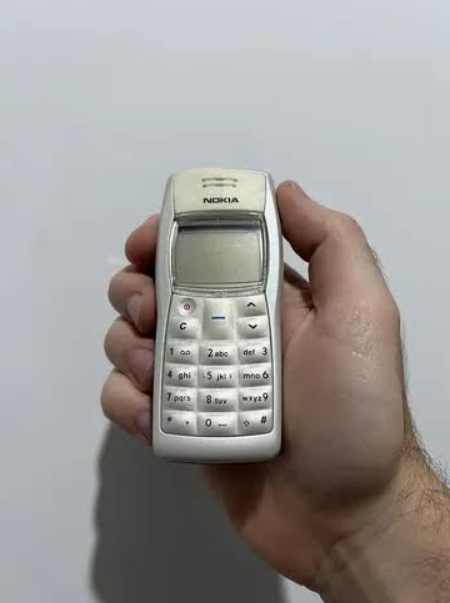
Nokia was once the mighty titan of the mobile phone industry, dominating the market with its durable feature phones. Launched in 2003, the Nokia 1100 quickly became one of the best-selling phones of all time, thanks to its sturdy build, user-friendly interface, and long-lasting battery life. The Nokia 105, which followed in 2013, continued the tradition of offering reliable communication in a simple form. Both models, while distinct in their time, offer a glimpse into how mobile technology has evolved while still catering to the needs of users looking for simplicity.
Memory Lane: User Experience of the Nokia 1100
Design and Build
The Nokia 1100 was celebrated for its rugged design. With an ergonomic shape and a rubberized casing, it could withstand drops and rough handling—a feature particularly appealing to those who led active lifestyles. The monochrome display was straightforward, making it easy to navigate through menus and contacts.
Usability
One of the key aspects of the user journey with the Nokia 1100 was its simplicity. The phone offered limited but essential features, including calling, texting, and a few simple games like “Snake.” The T9 predictive text input made texting easier, allowing users to send messages quickly without breaking focus. This lack of distractions, combined with the phone’s reliability, made the Nokia 1100 an ideal companion for users who prioritized communication without the complex features often found on modern smartphones.
Battery Life
In terms of performance, the Nokia 1100 was a beast; its battery life was one of the standout features. Users could enjoy up to 400 hours of standby time and around 4-5 hours of talk time. This attribute was particularly appealing in regions with limited access to charging facilities, and it’s something that continues to resonate with users who remember the freedom of not being tethered to a charging cable.
Impact and Legacy
The impact of the Nokia 1100 on the mobile phone industry was significant. It not only sold over 250 million units but also helped to redefine what users expected from mobile communication devices. Many people who used the 1100 fondly recall its simplicity and durability, which has fostered a sense of nostalgia even two decades later.
Transitioning to the Nokia 105
Advancements in Design
Launched a decade after the 1100, the Nokia 105 maintained the essence of what made its predecessor a classic while introducing a few modern updates. The design was slightly sleeker and more colorful, featuring a more vibrant display. The build quality remained consistent with Nokia’s reputation for durability, making the 105 just as reliable as the 1100.
User-Friendly Features
The Nokia 105 offered similar functionalities as the 1100 but included enhancements that catered to a new generation of users. It allowed for improved call quality and an expanded storage capacity for contacts and messages. The classic Snake game returned, delighting fans eager for a touch of nostalgia. The phone also came pre-loaded with FM radio and a built-in flashlight, making it an even more versatile option for users.
Battery Performance
The Nokia 105’s battery life was similarly impressive, with up to 35 hours of talk time and an astonishing 25 days of standby time. This extended battery life appealed to users who appreciated the phone as a backup device, especially during travel or in emergency situations.
Cultural Significance
Just like the Nokia 1100, the impact of the Nokia 105 was notably significant, particularly in emerging markets. It provided affordable and reliable communication to millions who needed a phone for basic connectedness. In a world increasingly filled with smartphones, its contribution to the communication landscape was significant, highlighting that simple is often better.
Comparing User Journeys: Nokia 1100 vs. Nokia 105
Both the Nokia 1100 and Nokia 105 resonate with users seeking basic, dependable communication. However, they cater to slightly different demographics and experiences. The 1100 is often seen through a lens of nostalgia for older users who remember the early days of mobile communication while the 105 attracts a newer audience who might see it as a functional backup phone or a first device.
Modern Relevance
Today, both phones serve as reminders of what mobile technology once was and how it continues to cater to users who value simplicity over complexity. They demonstrate that even in a world filled with cutting-edge tech, there is still a market for basic phones. The resurgence of interest in these feature phones can be attributed to a growing desire for digital detox and a yearning for the simplicity of past technology.
Conclusion
As we reflect on the user journeys of the Nokia 1100 and Nokia 105, it’s clear that both phones have carved out a unique place in the annals of mobile technology history. They represent more than just gadgets; they symbolize an era where reliability, simplicity, and practicality were paramount. The nostalgia associated with these devices is palpable, as users fondly remember the days of basic communication without the distractions of modern smartphones.
In a fast-paced world that often feels overwhelming, the Nokia 1100 and Nokia 105 serve as timeless reminders that sometimes, less truly is more. For those who experienced their user journeys firsthand, these phones will continue to evoke cherished memories, while for new users discovering them, they offer a refreshing escape into the simplicity of the past. Whether through cellular call or simple text, these iconic feature phones will always have a special place in the hearts of those who valued their unique charm.