
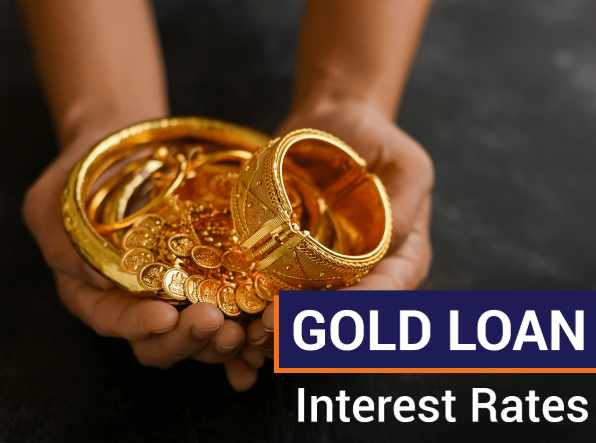
Gold loans have emerged as a favorable choice for individuals seeking quick financial assistance, especially in times of crisis. The sheer convenience of borrowing against gold jewelry or assets without the need for extensive documentation makes this option appealing. However, an understanding of the subtleties of gold loan interest rates and terms is crucial to avoid pitfalls that can catch borrowers off guard. By familiarizing yourself with key concepts, you will be better equipped to make informed financial decisions.
The Allure of Gold Loans
Gold loans are secured loans, which means that borrowers pledge their gold as collateral to obtain the loan amount. They are commonly offered by banks and non-banking financial companies (NBFCs). The interest rates on gold loans are generally lower than unsecured loans due to the backing of collateral, making them an attractive option for urgent funding needs. However, the variability and structure of gold interest rates can lead to confusion.
Understanding Gold Interest Rates
Gold interest rates can fluctuate based on several factors, including macroeconomic trends, central bank policies, and the prevailing prices of gold. Typically, the interest rate on gold loans ranges from 7% to 24%, depending on the lender and the borrower’s credit profile. However, these rates might not be as straightforward as they seem.
1. Fixed vs. Floating Rates
Some lenders offer fixed interest rates for the entire loan tenure, which provides predictability in monthly installments. Floating rates, on the other hand, may change according to market fluctuations. Borrowers should ask their lenders how interest rates are determined to avoid surprises.
2. Processing Fees and Additional Charges
Not all costs associated with a gold loan are reflected in the interest rate. Processing fees, valuation charges, and documentation costs can also add significantly to the overall cost of borrowing. It’s essential for borrowers to scrutinize the effective interest rate, which includes these additional fees, rather than relying solely on the nominal interest rate.
Understanding Gold Loan Terms and Conditions
Hidden within the gold loan terms and conditions are several stipulations that can create misunderstandings. Here is a breakdown of common terms that could catch borrowers off guard:
1. Loan-to-Value Ratio (LTV)
Most lenders operate within a specific LTV ratio, which is the amount of the loan relative to the value of the gold collateral. For example, if the LTV ratio is set at 75%, borrowers can expect to receive up to 75% of the appraised value of their gold. It’s crucial to know how LTV affects the maximum amount you can borrow and to understand that fluctuations in gold prices can also affect the loan amount.
2. Tenure and Repayment Terms
Gold loans typically come with short tenures, often ranging from 6 months to 3 years. While the short duration may seem favorable for borrowers, inflexible repayment options can lead to risk. Ensure you understand whether the lender allows prepayment, and if so, whether any penalties are involved. This knowledge can be crucial, especially if you plan to close the loan earlier than expected.
3. Valuation of Gold
The way gold is valued has a significant impact on how much you can borrow. Lenders usually have a specific method to assess the value of gold, considering purity and market rates. A discrepancy in evaluation can lead to a lower loan amount, so ensure to clarify the valuation process beforehand.
4. Interest Rate Changes Upon Non-Payment
One notable aspect that may catch borrowers off guard is how lenders handle missed payments. While a missed payment will typically result in late fees, some lenders might revise the interest rate upwards. Before you sign a contract, ensure you understand the repercussions of missing a payment and how it will affect your total outstanding balance.
5. Penalties and Foreclosure Procedures
Should you struggle with repayment, understand the lender’s foreclosure policies. Some lenders have stringent rules regarding what happens if you default on your loan. Knowing how quickly they can seize your collateral and the process involved can help you gauge the risk of borrowing and inform your financial choices.
Key Factors to Consider Before Borrowing
Before you commit to a gold loan, it is vital to assess several factors carefully:
1. Assess Your Financial Situation
Before borrowing, analyze your borrowing need and repayment capacity. Determine how much you truly need and avoid borrowing more than necessary as it could lead to additional financial strain.
2. Research Lenders
Not all lenders offer the same terms, fees, or interest rates. Take the time to research various banks and NBFCs to find the most favorable terms and conditions.
3. Reading the Fine Print
Understanding all terms and conditions before borrowing is essential. If any terms are unclear, do not hesitate to ask the lender for clarification. Being proactive can save you from potential pitfalls later on.
Conclusion
In summary, while gold loans provide manageable interest rates and a quick source of funds, borrowers must navigate a series of potential pitfalls related to gold interest rates and loan terms and conditions. The nuances in interest rates, the valuation of collateral, repayment terms, and additional costs can lead to surprises without adequate preparation.
By conducting thorough research and being aware of the terms outlined in the loan agreement, you can mitigate risks and make a more informed borrowing decision. Whether you’re leveraging gold for emergency cash or for investment opportunities, understanding the complete picture of your gold loan can empower you to manage your finances more effectively and avoid unexpected complications.
In today’s fast-paced financial landscape, knowledge is your greatest tool, especially when it comes to loans. Ensure you stay informed, ask questions, and always read the fine print to ensure that you make a mortgage-free future a reality!