
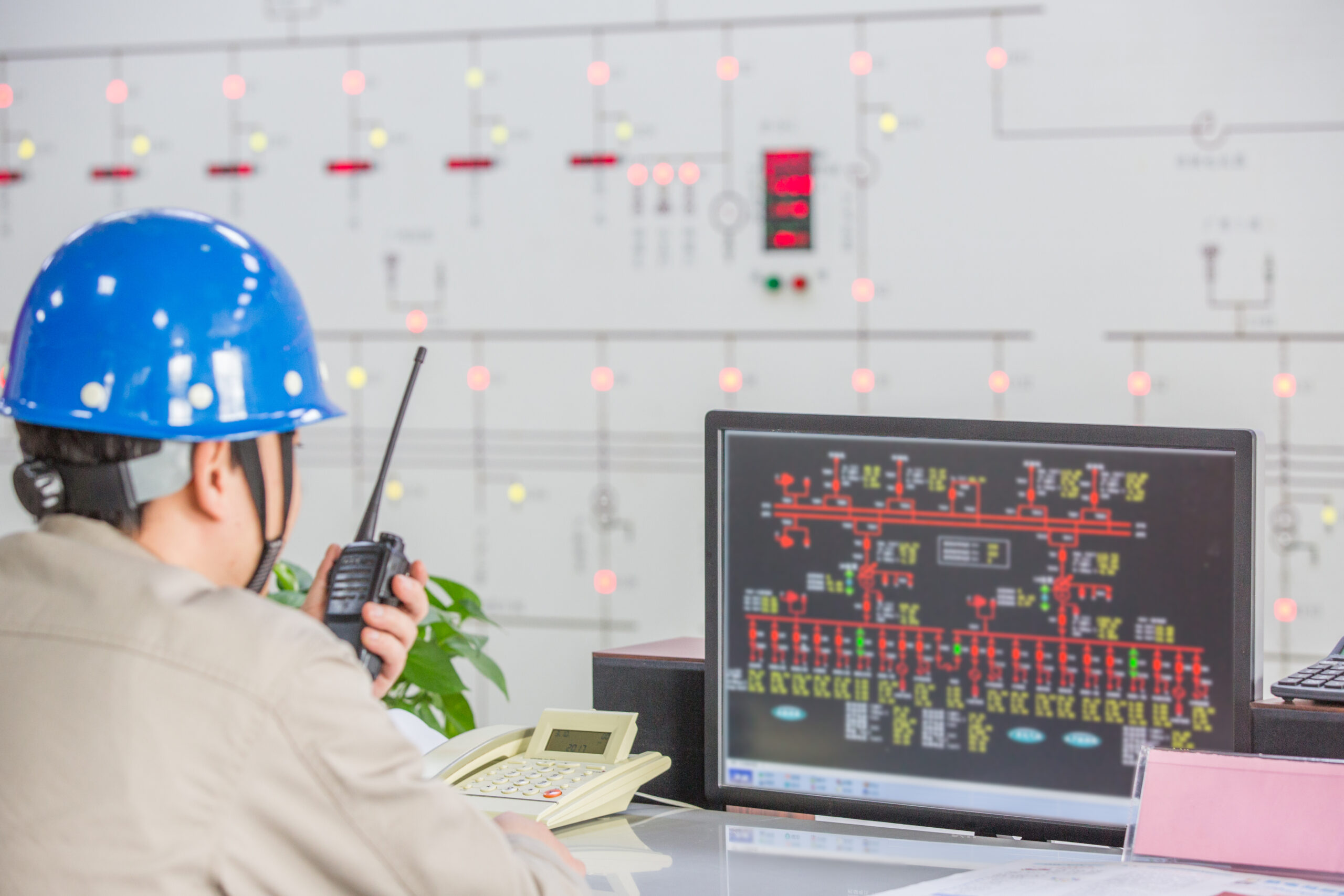
In today’s fast-paced industrial landscape, prioritizing safety is more than just a regulatory obligation; it’s a fundamental element of operational efficiency. As industries evolve and grow increasingly complex, the importance of industrial control system safety becomes critical. This vital component not only protects employees but also boosts productivity and helps ensure compliance with stringent safety regulations. For OEMs, dealers, industrial operators, and construction firms, embracing advanced safety solutions is essential for thriving in a competitive market.
The Role of Industrial Control System Safety
Industrial control system safety encompasses the protocols and mechanisms designed to shield industrial processes and personnel from potential dangers. These systems work tirelessly to uphold the integrity and security of industrial operations, making sure machinery and processes function smoothly without sacrificing safety standards.
Why Safety is Integral to Efficiency
- Minimizing Downtime: Safety systems play a crucial role in preventing and managing accidents that can lead to extended downtimes. By equipping industrial control systems with robust safety measures, companies can dodge disruptions and keep productivity flowing.
- Protecting Human Resources: The safety of employees is a top priority. Effective safety systems help reduce the risk of workplace injuries, safeguarding a company’s most valued asset—its workforce.
- Compliance with Regulations: Adhering to safety regulations isn’t optional for industrial entities. By putting comprehensive safety controls in place, organizations can ensure they meet industry standards, minimizing the risk of legal troubles and protecting their reputations.
- Enhancing Operational Reliability: Safety systems boost the reliability of industrial operations by preventing errors and malfunctions, leading to a smoother workflow and less waste of resources.
Advanced Technology in Safety Systems
Integrating cutting-edge technology into safety systems is transforming industrial environments. Here are some of the innovations making a significant impact on industrial control system safety:
- Automation and AI: Automated safety controls paired with AI-driven analytics can foresee and prevent potential hazards before they arise. These technologies offer real-time monitoring and insights, enabling proactive safety management.
- IoT Devices: Internet of Things (IoT) devices link various components of the industrial process, allowing for seamless communication and data sharing. This connectivity significantly enhances continuous safety monitoring.
- Cybersecurity Measures: As industrial systems become more interconnected, protecting them from cyber threats becomes vital. Implementing strong cybersecurity measures ensures that safety systems remain secure against external attacks.
Steps to Implement Effective Safety Systems
Fostering a safe industrial environment requires a structured approach. Here’s how companies can enhance their industrial control system safety:
- Risk Assessment: A thorough risk assessment is essential for identifying potential hazards in the manufacturing process. This foundation is crucial for developing targeted safety interventions.
- Customized Safety Solutions: Safety solutions should be tailored to fit the specific needs and operations of the industry. This customization ensures that safety measures are both practical and effective.
- Regular Training and Drills: Keeping employees well-trained in safety protocols is critical. Regular drills and training sessions help create a culture of safety awareness within the organization.
- Continuous Monitoring and Maintenance: Safety systems need regular monitoring and maintenance to ensure they operate at peak performance. Regular audits and updates are necessary to adapt to changing operational dynamics.
Future Trends in Industrial Control System Safety
The future of industrial control system safety is set to be even more exciting, with several trends shaping the industry:
- Integration of Machine Learning: Machine learning algorithms are set to enhance predictive maintenance and safety analytics, leading to smarter safety systems.
- Increased Use of Virtual and Augmented Reality: These technologies are changing the face of safety training, offering immersive experiences that prepare employees for real-world situations.
- Expansion of Collaborative Safety Networks: Companies will increasingly partner with safety experts and tech providers to create comprehensive safety ecosystems that leverage shared knowledge and resources.
Conclusion
To wrap it up, industrial control system safety is an essential part of industrial operations that must not be overlooked. By implementing effective safety measures, organizations not only protect their assets and workforce but also enhance operational efficiency. As technology continues to advance, embracing innovative safety solutions will be vital for staying competitive and compliant in the industrial sector. By placing a strong emphasis on safety, companies can boost productivity and sustain growth in an ever-evolving market landscape.