
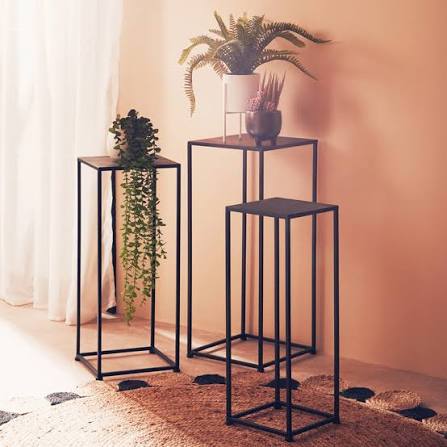
Modern homes require furniture that combines attractive design with practical everyday functionality. As living spaces become more carefully planned, versatile furniture can help homeowners make better use of available space without compromising on style. Console tables and nesting tables are excellent examples, offering useful surfaces while fitting comfortably into living rooms, hallways, bedrooms, and other areas of the home.
Whether you are furnishing a compact apartment or refreshing a larger interior, modern console and nesting table designs can introduce flexibility while complementing contemporary décor. Console tables can transform empty walls and narrow spaces, while nesting tables provide additional surfaces that can be separated when needed and conveniently grouped together afterwards.
Why Console and Nesting Tables Work in Modern Interiors
Modern interiors often focus on simplicity, functionality, and efficient use of space. Furniture that serves a clear purpose while contributing to the overall appearance of a room naturally fits this approach.
Console tables typically feature a relatively slim profile, making them suitable for areas where larger furniture may feel overwhelming. Nesting tables offer a different advantage by providing multiple surfaces without requiring permanent floor space for each individual table.
Together, these table styles provide homeowners with practical options for creating flexible and visually balanced interiors.
Make Better Use of Hallways with Console Tables
Hallways and entrance areas can sometimes be difficult to furnish. They need to remain easy to move through, but completely empty walls may make the space feel unfinished.
A console table can provide an effective solution. Its narrow design allows it to sit neatly against a wall while offering a useful surface for keys, decorative bowls, lamps, photographs, and other accessories.
Adding a mirror above the console can help create a welcoming focal point near the entrance. Alternatively, artwork or a collection of decorative objects can give the area more personality.
Use Console Tables Beyond the Hallway
Although console tables are commonly associated with hallways, they can work in many other parts of the home.
In a living room, a console can be positioned against an empty wall or behind a sofa. In a dining area, it can provide additional display space for decorative accessories. Larger bedrooms may also benefit from a console table where additional surface space is required.
This versatility makes console tables useful for homeowners who prefer furniture that can adapt as layouts and interior requirements change.
Why Nesting Tables Are Ideal for Flexible Living
Nesting tables are designed to work together as a set, with smaller tables fitting underneath or alongside larger ones.
Their biggest advantage is flexibility. When additional surface space is required, individual tables can be separated and positioned around the room. When they are no longer needed, they can be grouped together again to reduce the amount of floor space they occupy.
This feature makes nesting tables particularly useful in modern living rooms where space may need to accommodate different activities throughout the day.
A Practical Choice for Smaller Spaces
Compact homes and apartments often require a more thoughtful approach to furniture selection.
Instead of filling a small living room with several permanent tables, a nesting set can provide multiple surfaces only when required. This can help maintain a more open and uncluttered layout.
Similarly, a slim console table can make use of an empty wall without taking up the same amount of space as a larger cabinet or storage unit.
When floor space is valuable, console tables and nesting tables can provide functionality while helping maintain a comfortable sense of openness.
Choose the Right Size for Your Room
Proportion is one of the most important considerations when choosing any piece of furniture.
Before purchasing a console table, measure the available wall space as well as the depth of the surrounding area. This is particularly important in hallways, where an overly deep table could restrict movement.
For nesting tables, consider both their dimensions when grouped together and the amount of space they will require when separated.
Taking accurate measurements before making a decision can help ensure that your furniture fits naturally into the room.
Consider Materials and Finishes
The materials used in your tables can have a significant influence on the overall appearance of an interior.
Wood and wood-effect finishes can introduce warmth and texture, making them suitable for both contemporary and more traditional spaces. Metal frames can provide a sleek or industrial feel, while glass surfaces may help create a lighter visual effect.
Mixed-material designs can be particularly effective in modern homes. Combining contrasting textures can create visual interest without requiring elaborate decoration.
Choose finishes that complement your existing furniture, flooring, lighting, and accessories.
Coordinate Your Furniture Without Matching Everything
Modern interior design does not require every piece of furniture to look identical.
Instead of choosing matching items throughout the room, focus on creating connections between different pieces. Similar materials, complementary colours, repeated shapes, or shared design details can help achieve a coordinated appearance.
For example, a console table with a dark metal frame could work well alongside nesting tables featuring similar metallic details, even if their tabletops and shapes are different.
This approach creates a cohesive interior while allowing individual furniture pieces to maintain their own character.
Style a Console Table as a Focal Point
Because console tables are usually positioned against walls, they provide an ideal opportunity to create a decorative feature.
Start with one larger element, such as a mirror, artwork, or statement lamp. You can then add smaller accessories such as vases, books, framed photographs, or decorative objects.
Varying the height of accessories can create visual interest, while leaving some empty surface space prevents the arrangement from appearing cluttered.
The result should feel decorative while allowing the table to remain practical.
Get More from Your Nesting Tables
Nesting tables can be used in several ways depending on the needs of the room.
When grouped together, they can function similarly to a compact side table. When guests arrive, individual tables can be moved beside different seats to provide convenient surfaces for drinks and snacks.
They can also be used to display plants, lamps, books, or decorative objects.
Because they are generally easy to reposition, nesting tables allow homeowners to change their furniture arrangement without making significant alterations to the room.
Create Balance Between Style and Function
It is easy to focus on appearance when choosing new furniture, but functionality should remain an important consideration.
Think about how often you will use the table, what you intend to place on it, and where it will be positioned. A beautiful console table may not be suitable for a narrow hallway if its dimensions restrict movement. Similarly, nesting tables should provide enough usable surface area for your everyday requirements.
The most successful console tables and nesting tables combine appealing design with dimensions and features that suit the way you actually use your home.
Keep Your Interior Flexible
One of the benefits of choosing versatile furniture is the ability to adapt your home over time.
A console table originally purchased for a hallway could later be used in a living room or bedroom. Nesting tables can move between seating areas depending on where additional surfaces are required.
Choosing adaptable furniture can therefore make it easier to refresh a room without replacing every piece whenever your layout or décor changes.
FAQs
What is the main purpose of a console table?
A console table provides a relatively slim surface that can be placed against a wall or behind furniture. It can be used for everyday essentials, lighting, decorative objects, photographs, plants, or other accessories.
Are nesting tables suitable for small living rooms?
Yes. Nesting tables can be especially practical in small living rooms because several tables can be grouped together when not in use and separated only when additional surface space is required.
Where can I place a console table?
Console tables can work in hallways, entrance areas, living rooms, dining spaces, and bedrooms. Their slim profile makes them particularly useful along walls where deeper furniture may not be appropriate.
Do console tables and nesting tables need to match?
No. They do not need to be identical. Choosing complementary materials, colours, finishes, or design details can help different tables work together while maintaining visual variety.
What should I consider when choosing console and nesting tables?
Consider available space, dimensions, materials, finishes, intended use, and your existing décor. For nesting tables, also consider how much space they will occupy when separated as well as when stored together.
Final Thoughts
Thoughtfully chosen furniture can make modern interiors more practical without sacrificing visual appeal. Console tables help turn empty walls and narrow areas into useful spaces, while nesting tables provide flexible surfaces that can adapt to changing everyday needs.
When selecting console tables and nesting tables, consider the dimensions of your room, your existing décor, and how each piece will be used. By balancing size, materials, functionality, and design, you can introduce versatile furniture that contributes to a stylish, organised, and comfortable modern home.