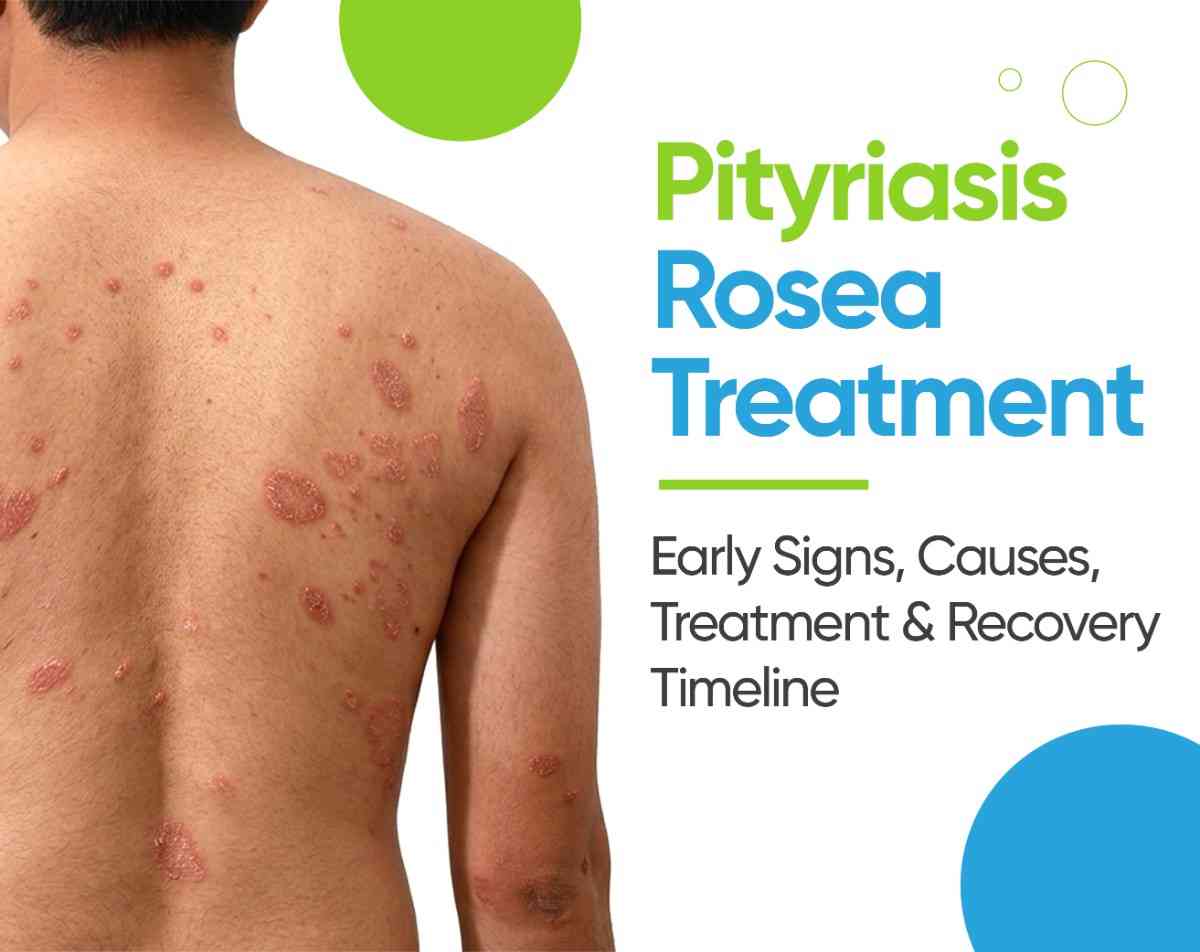
Discovering a sudden, widespread rash on your body can be an alarming experience. If you recently noticed a single large, oval patch on your chest, back, or abdomen followed days later by a sweep of smaller spots you may be dealing with Pityriasis Rosea.
While this common skin condition looks dramatic, it is typically harmless and self-limiting. However, managing the associated itchiness, ruling out more serious dermatological issues, and tracking its progression requires clear guidance and modern skin checks.
In this comprehensive article, we will cover everything you need to know about Pityriasis Rosea, including its causes, symptoms, treatment strategies, and how to use the DermPro App to track your skin’s recovery.
What is Pityriasis Rosea?
Pityriasis Rosea is an acute, benign inflammatory skin condition characterized by the sudden appearance of a primary, larger lesion known as a “herald patch,” followed by a generalized secondary eruption of smaller oval spots.
The rash typically targets the trunk, neck, upper arms, and thighs, often following skin cleavage lines to form a pattern resembling an inverted Christmas tree. While it can affect individuals of any age, it occurs most frequently in adolescents and young adults between 10 and 35 years old.
Symptoms and Stages of Pityriasis Rosea
Recognizing the distinct progression of Pityriasis Rosea helps distinguish it from other skin conditions like eczema, ringworm, or psoriasis.
1. The Prodromal Phase
In about 50% of cases, patients experience subtle, mild symptoms before any visible skin changes occur. These can include:
- Mild fatigue or malaise
- Low-grade headache
- Slight sore throat or swollen lymph nodes
2. The Herald Patch
The hallmark sign of Pityriasis Rosea is the herald patch. This single, slightly raised, salmon-colored or pink oval lesion usually measures 2 to 10 centimeters across. It features a fine, collarette scale along its inner border and is most commonly found on the torso.
3. The Secondary Exanthem
1 to 2 weeks after the herald patch appears, a widespread eruption of smaller (1 to 2 cm) oval spots emerges across the trunk and limbs. On lighter skin, these spots appear pink or reddish; on darker skin tones, they may present as purplish, dark brown, or hyperpigmented spots.
4. Itching and Discomfort
Roughly 50% of people with Pityriasis Rosea experience moderate to severe itching (pruritus), which can worsen when exposed to heat, hot showers, or strenuous physical activity.
What Causes Pityriasis Rosea?
Despite extensive clinical research, the exact root cause of Pityriasis Rosea remains under study. However, dermatological consensus links the condition to systemic viral reactivation:
- Human Herpesvirus Activation: Evidence strongly points toward the systemic reactivation of Human Herpesvirus 6 (HHV-6) and Human Herpesvirus 7 (HHV-7), similar to how dormant viruses reactivate during times of stress or low immunity.
- Non-Contagious Nature: Pityriasis Rosea is not contagious. It does not spread through physical contact or airborne droplets, making isolation unnecessary.
- Immune Response: The condition rarely recurs; having it once usually confers long-term immunity.
Treatment Protocols for Pityriasis Rosea
In most individuals, Pityriasis Rosea resolves spontaneously within 6 to 10 weeks without leaving permanent scars. Therefore, medical treatment focuses primarily on symptom management and mitigating intense discomfort.
At-Home Care and Symptom Relief
- Lukewarm Baths: Avoid hot water, which triggers histamine release and intensifies itching. Colloidal oatmeal baths can soothe irritated skin.
- Gentle Moisturizers: Apply fragrance-free emollients or zinc oxide creams to calm the skin barrier.
- Topical Hydrocortisone: Mild over-the-counter 1% hydrocortisone cream applied directly to itchy areas provides localized relief.
- Oral Antihistamines: Non-drowsy antihistamines during the day (or sedating options at night) help manage itchiness and support uninterrupted sleep.
Medical Interventions for Severe Cases
If the rash is unusually severe, widespread, or persistent beyond 10 weeks, a dermatologist may recommend:
- Prescription Corticosteroids: Higher-potency topical or short courses of oral steroids to suppress inflammation.
- Phototherapy (UVB Therapy): Controlled exposure to narrowband UVB light during the first week of eruption can shorten the overall duration and reduce severe itching.
- Oral Antivirals: In severe early-stage cases, antiviral medications (such as high-dose acyclovir) may be prescribed to reduce severity.
Monitoring Skin Recovery with DermPro
Because Pityriasis Rosea resembles other potentially serious skin conditions such as secondary syphilis, guttate psoriasis, or drug eruptions accurate visual tracking and professional evaluation are critical.
This is where the DermPro App bridges the gap between home care and clinical oversight. By utilizing the app, you can:
- Log and Map Spots: Take standardized high-resolution images of your herald patch and secondary rash to create a secure, chronological timeline.
- Track Progression: Monitor whether the rash is resolving or expanding over the typical 6-to-10-week window.
- Share Data with Specialists: Provide your dermatologist with accurate, dated visual records during your consultation for precise diagnostic confirmation.
Frequently Asked Questions
How long does Pityriasis Rosea usually last?
Most cases resolve completely within 4 to 10 weeks. In rare instances, post-inflammatory hyperpigmentation or hypopigmentation (darker or lighter skin spots) may persist for a few months, particularly in darker skin types, but these eventually fade.
Is Pityriasis Rosea contagious to family members?
No. Pityriasis Rosea is non-contagious. You cannot pass it to family members, partners, or coworkers through physical touch, shared towels, or close physical proximity.
Can Pityriasis Rosea return after it clears?
Recurrence is extremely rare. Over 98% of individuals who experience Pityriasis Rosea develop lasting immunity and will never suffer another outbreak in their lifetime.
Should I avoid working out while I have the rash?
You do not need to avoid exercise entirely, but keep in mind that increased body heat, sweating, and friction can temporarily worsen itching and inflame the rash. Stick to low-intensity workouts and take cool showers immediately afterward.
Conclusion
While Pityriasis Rosea can be uncomfortable and unsettling to look at, understanding its natural life cycle brings peace of mind. By combining gentle at-home skin care, targeted anti-itch treatments, and routine visual monitoring, you can comfortably navigate the weeks leading to full recovery.