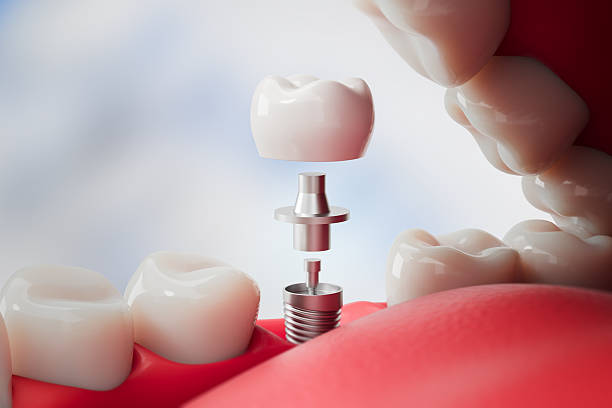
A missing tooth has a way of making itself known. You feel the gap with your tongue. Food gets stuck there. Maybe you avoid smiling in photos too. It gets old. For people looking at Dental Implants Simi Valley, one of the big questions is whether the new tooth will actually feel like their own. Fair question. Nobody wants a replacement that feels bulky, strange, or like something they have to think about all day. A properly planned implant can get surprisingly close to the real thing, both in how it works and how it looks.
It Starts Under the Gumline
The visible tooth gets most of the attention, but the real reason an implant feels secure is underneath. The implant post goes into the jawbone and takes the place of the missing tooth root. Then something pretty useful happens. The bone gradually bonds with the implant. This is called osseointegration, but you don’t really need to remember the word. What matters is the result. The implant becomes anchored in the jaw instead of just sitting on top of it. That gives the replacement tooth a firm base when you bite and chew. No wiggling around. No taking it out at night.
The New Tooth Has to Look Like It Belongs There
A dental implant can be perfectly secure and still look wrong if the crown isn’t made carefully. Shape matters. So does color. Even the little details around the edges can change how a tooth looks when you smile. Your dentist looks at the teeth next to the gap and uses them as a guide. The crown should fit the space, not crowd the neighboring teeth or stick out like it was added later. Sometimes the difference comes down to very small adjustments. That’s the stuff most people don’t notice when it is done right. And that’s exactly what you want.
Your Bite Can Make or Break the Experience
Here’s something people don’t always think about. Your new tooth has to work with the rest of your teeth. If the crown is too high, you’ll know about it when you chew. It might feel like that tooth is hitting first, which can get uncomfortable fast. Your dentist checks the bite and may make small adjustments to the crown before everything is finished. It doesn’t sound like a major thing, but it is. A tooth that looks great but doesn’t sit properly in your bite isn’t really doing its job. You want to forget it’s there, not keep checking it with your tongue every five minutes.
The Gums Around It Matter Too
Healthy gums make an implant look more natural. Simple as that. If the gum tissue around the crown is swollen or irritated, the whole area can look different from the surrounding teeth. There are also deeper concerns when inflammation sticks around. Keeping the area clean is important, and so are routine dental visits. Brushing alone isn’t always enough to get everything around the gumline. Flossing or using another cleaning method recommended by your dentist can help gum disease prevention is especially worth paying attention to because healthy tissue gives the implant a better environment to sit in for the long haul.
At First, You Will Notice It
Don’t expect to walk out after treatment and immediately forget the implant exists. Your mouth isn’t a machine that instantly accepts a new part. There can be some tenderness, pressure, or just an odd feeling while you adjust. That’s not necessarily a problem. Your tongue may keep finding the new tooth because, well, your tongue likes checking things out. Give it some time. As healing happens and you get used to the crown, that awareness usually settles down. Eventually you bite into something and don’t even think about which tooth you’re using. That’s when it starts feeling normal.
It Shouldn’t Change How You Eat
One of the biggest advantages of an implant is stability. A removable denture can move. An implant-supported crown is fixed into place, so there isn’t that same worry when you’re eating. Once healing is complete and your dentist says you’re ready, you can generally return to normal foods. Obviously, don’t go testing the limits with something ridiculously hard just to prove a point. Your natural teeth have limits too. The main idea is that everyday chewing shouldn’t feel like you’re handling a fragile replacement. The tooth is there to function, not just fill an empty space in your smile.
The Rest of Your Mouth Still Needs Attention
Getting an implant doesn’t mean you can forget about oral hygiene. The crown won’t develop a cavity like a natural tooth, but the teeth beside it certainly can. Your gums can also develop problems if plaque keeps building up. This is where some people get careless. They think, “Well, that tooth is artificial, so I’m good.” Not really. Keep brushing. Clean between your teeth. Get your regular checkups. Your dentist can also keep an eye on the implant and surrounding tissue during those visits. It takes less effort to maintain things than to fix a problem later.
Good Placement Is Not Something to Rush
Before an implant goes in, your dentist needs to know what’s happening beneath the surface. How much bone is available? Where are the nearby structures? Is the gum tissue healthy? Where should the implant sit so the final crown looks right and works properly? Imaging can help answer those questions. In some cases, there may not be enough bone at the implant site, and additional treatment could be needed first. That can add time, sure. But trying to rush through the process isn’t a smart shortcut. Placement affects the final result in a big way.
When You Stop Thinking About the Implant
That’s probably the simplest way to explain what a successful implant feels like. You stop noticing it. You aren’t worried about it moving when you laugh. You don’t keep your mouth closed when someone takes a picture. You chew without thinking about the missing tooth that used to be there. A natural-looking crown, solid implant support, healthy gums, and a comfortable bite all have to come together for that to happen. It isn’t one magic trick. It’s a bunch of small things done properly. And when they are, the implant doesn’t feel like some foreign object in your mouth anymore. It just feels like your tooth. That’s the whole idea.